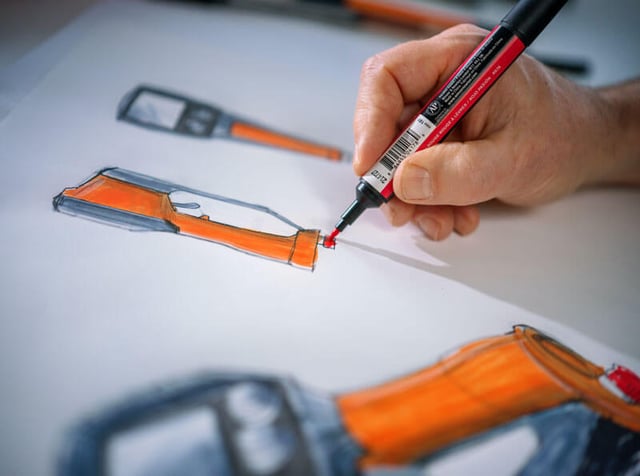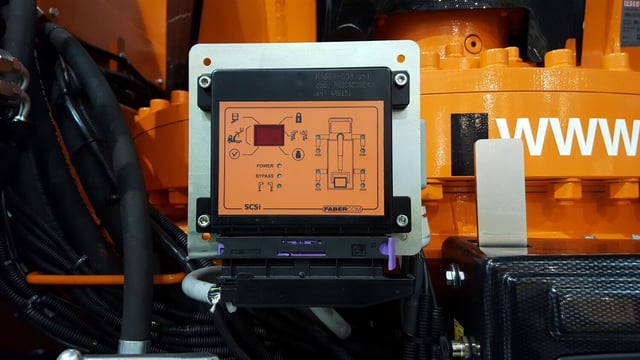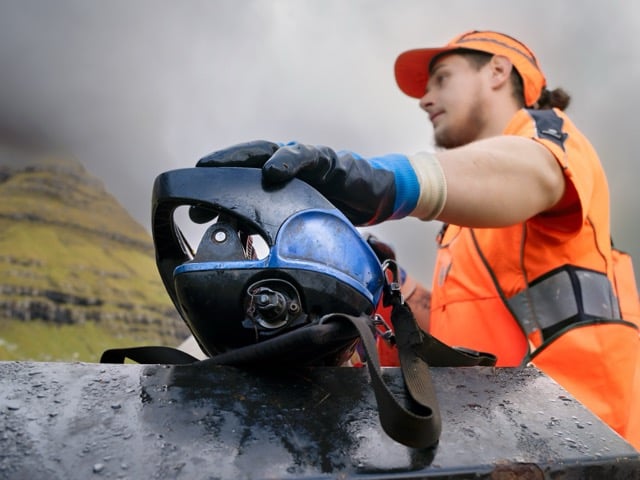
For decades, machine interfaces were built for a world of experts — people who learned by doing, who could hear a hydraulic pump and know the pressure or feel a vibration and sense when something was off.
The operator’s intuition came from experience, not from a screen.
But the next generation is different. Generation Z has grown up surrounded by technology that is instant, visual and responsive. They do not read manuals, they explore.
They expect systems that guide them naturally, without explanations. And that changes everything for machine builders.
The question remains, is there a lack of operators? Let´s find out.
A generational shift in expectations
Across industries, everyone is talking about the same challenge: “We can’t find operators!"
But maybe the real problem is not a lack of people — it’s a mismatch between design and expectation.
Generation Z has never known a world without smartphones, streaming or adaptive interfaces.
They are used to feedback loops measured in milliseconds. When a control system feels slow, inconsistent or overly technical, it is not just frustrating — it feels broken.
Research on Gen Z in the workplace shows that this generation values:
- Clarity and instant feedback – they dislike waiting for confirmation.
- Transparency – they want to understand the system, not just follow it.
- Empowerment through interaction – they want to influence the process, not merely execute commands.
In other words, they bring a different relationship to technology — one built on participation, not obedience.
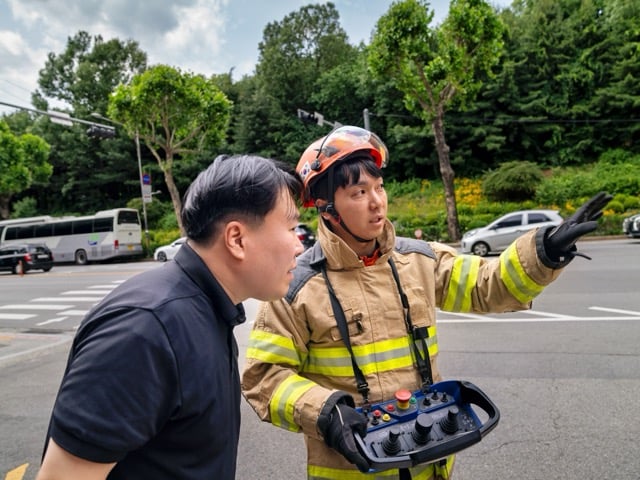
The end of "Instructions"
Traditional interface design often starts with this mindset: let’s make sure the operator knows what to do. But that model assumes the operator’s job is to follow instructions.
For todays and tomorrow’s operators, that assumption no longer holds. They expect the system itself to communicate purpose, not through text or menus, but through logic, flow and feedback. Good design no longer explains. It anticipates.
From learning curve to learning flow
The new generation learns by doing, not by reading. That means UI (User Interface) design must minimize “cold starts.” Instead of teaching through static training, it should allow safe exploration, visual guidance and adaptive cues that respond in real time.
In research, this approach is known as flow alignment — building interfaces that move at the same cognitive rhythm as the user. The less conscious effort required, the smarter the operator feels.
And when the interface feels natural, it becomes invisible. That is the true goal of intuitive design.
The next generation does not reject hard work. They reject friction. Your job as machine builder is to design tools that respect that difference.
.png?width=1350&height=1080&name=nature%20robot%203%20(1).png)
Designing for digital instincts
Designing UI for new operators is not about making it younger or flashier.
It is about matching digital instincts that this generation already has:
- Immediate cause and effect – when I move something, it should react instantly.
- Clean hierarchy – if everything is important, nothing is.
- Predictive guidance – help me understand what is coming next, not just what just happened.
- Consistency – the same action should always mean the same thing, everywhere.
These are not just UX principles.
They are cognitive expectations trained by thousands of daily digital interactions and they apply as much to a control system as to an app.
Rethinking what "smart" means
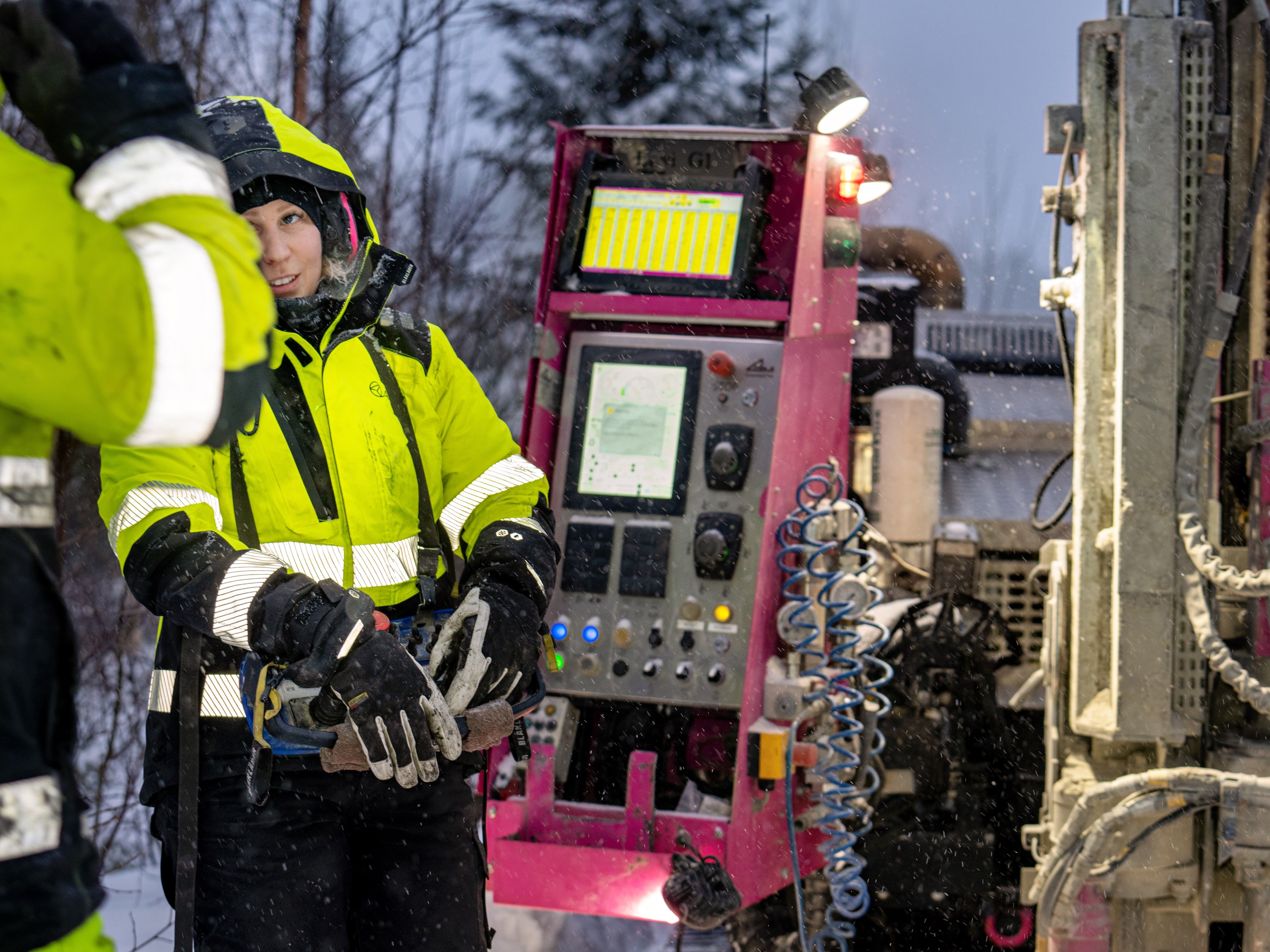
At Scanreco we often talk about the Smart Operator. Not as someone who relies on algorithms, but as someone who can stay focused on the task because the system supports them intuitively.
That is the kind of intelligence that comes from design, not complexity. The next wave of operators will not want to decode a system , they will want to collaborate with it.
And if we can build interfaces that meet them where they are, we might find that the operator shortage is less about missing hands and more about missing understanding.