For OEMs under pressure to bring safer, smarter machines to market faster, platform-based remote control systems aren’t just a convenience - they’re a strategic edge. By replacing one-off development with validated, modular architectures, OEMs can significantly reduce lead times, simplify certification, and gain room to innovate where it matters: the operator experience.
The pressure to deliver smarter machines, faster
OEMs are under more pressure than ever to innovate quickly. Customers demand safer, more intuitive operator experiences. Regulatory requirements are getting stricter. And internal development teams are stretched across product lines, regions, and technologies.
But while machine complexity has grown, the traditional product development model hasn’t kept up. Building remote control systems from the ground up - custom electronics and mechanics, communication protocols, safety logic, interfaces - adds major time and risk. Each project becomes a new engineering mountain to climb.
This is where platform thinking makes a difference.
What does “platform-based” really mean for OEMs?
A platform-based system isn’t just a product - it’s a framework. A library of pre-engineered, safety-certified building blocks - hardware, firmware, interfaces, diagnostics, HMIs - that can be configured for different machines without starting over every time.
And here’s why that matters.
Certification doesn’t slow you down
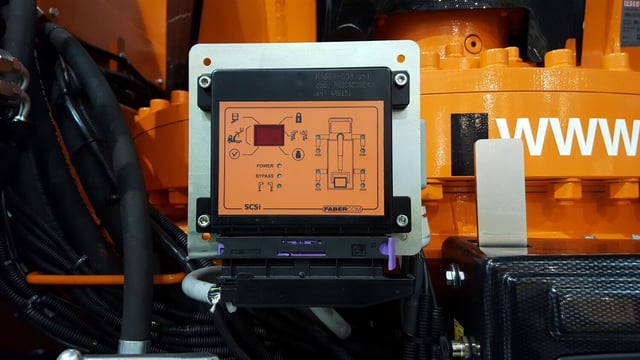
Functional safety isn’t optional and it’s also one of the most time-consuming parts of any development project. A well designed platform-based system already meets the highest requirements like PL e and SIL 3 and has been certified as a system.
That means you’re not writing safety specs from scratch, or waiting on lab tests to finish. You’re adapting something proven. Firmware updates, actuator changes, or layout tweaks don’t trigger a full re-certification cycle, especially if the safety logic is isolated.
-
Time saved: Months per project
-
Impact: Faster approvals, lower compliance costs, less rework
Firmware updates are structured - not a scramble
In a custom-built system, every software update risks unintended consequences - especially if control logic and safety functions are tangled together. In a platform-based setup, those layers are separated by design.
This separation means you can evolve operator-facing features - like display layouts, haptic feedback, or logic sequences - without destabilizing the entire control chain or repeating expensive validation.
-
Time saved: Significant in both development and post-launch maintenance
-
Impact: Quicker iterations, lower lifecycle cost, fewer surprises in the field
Branding and UX get the attention they deserve
In many machine launches, branding is treated as a last-minute task. But the operator’s first impression matters - especially in today’s rental-heavy markets where ease of use and clarity drive satisfaction.
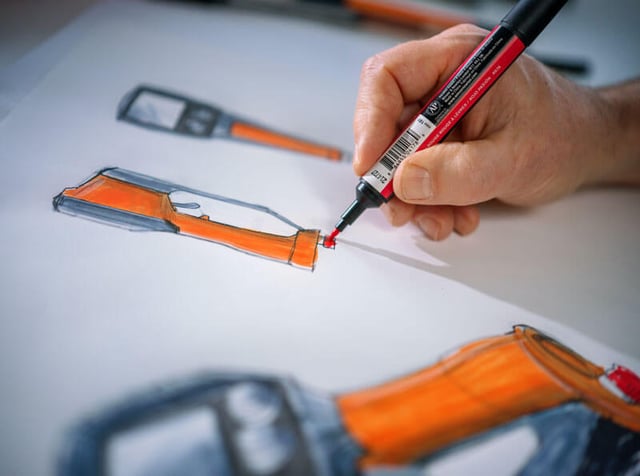
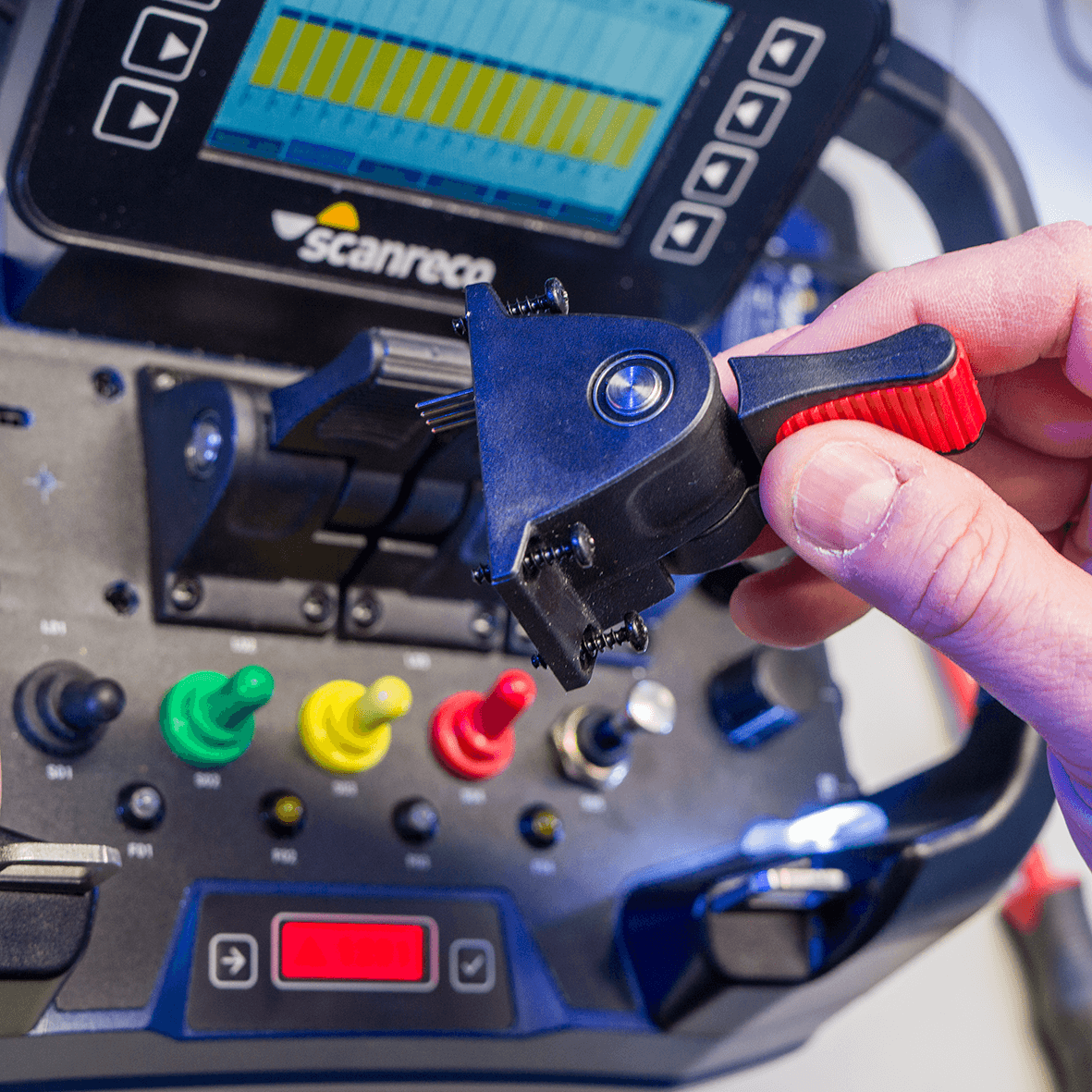
With platform-based systems, custom overlays, display interfaces, and ergonomic layouts are baked into the process. You can configure branded visuals, personalized labels, and logical control groupings without engaging a full UX team or creating new hardware.
-
Time saved: Parallel development rather than sequential
-
Impact: Better operator acceptance, stronger brand consistency across machines
Pilot testing becomes faster and more meaningful
When you start from a stable platform, pilot testing isn’t about debugging - it’s about refining. You’re not hoping the radio link holds or wondering if safety circuits behave as expected - because they do. You’re gathering real-world feedback from operators and tuning usability.
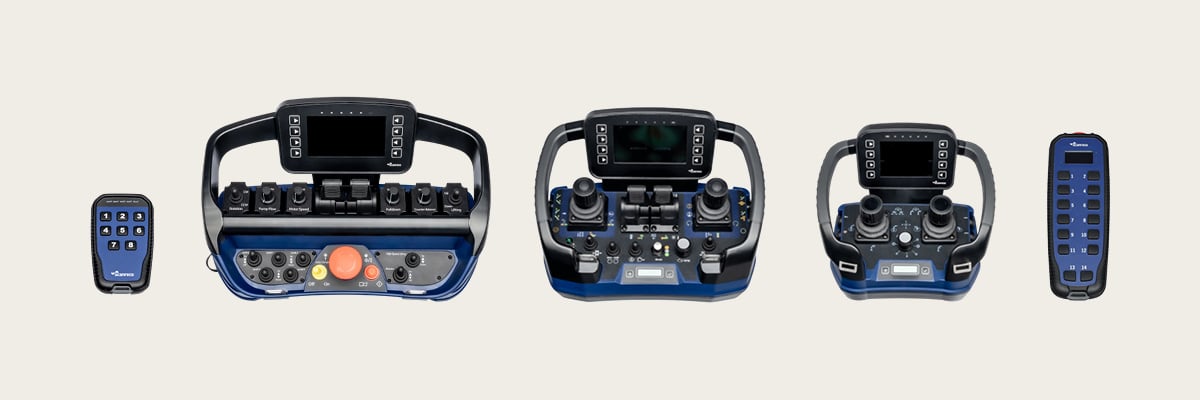
And because the system is modular, tweaks can be made with minimal lead time. New logic? Load it. Joystick position not optimal? Move it. Language updates? No problem .
-
Time saved: Avoids multiple re-engineering cycles
-
Impact: Confidence in field trials, better operator alignment, less friction before series production
Your engineering team gets to focus on differentiation, not reinvention
Most OEMs don’t want to become control system manufacturers. But in the absence of a reliable platform, they often end up there - designing PCB layouts, troubleshooting radio stacks, or rewriting safety protocols.
A platform-based model hands that work off to a trusted system. Your engineering team can now focus on what really moves the needle: smarter automation, tighter machine integration, and with future-ready innovation.
-
Time saved: Recurring across every project
-
Impact: Stronger product roadmap, better talent retention, clearer business focus
Final takeaway: a real shift in time-to-market
-
Not by cutting corners. But by cutting duplication.
-
Not by overcomplicating. But by standardizing where it makes sense.
-
And not by limiting design freedom. But by giving it a smarter starting point.
For OEMs trying to do more with leaner teams and tighter windows, platform-based remote control systems aren’t just a better engineering solution - they’re a better business model.