Many machine builders want their equipment to be considered for rental.
The logic is clear: the rental market has increased tremendously the last decade. Rental companies buy in volume and often need to refresh their stock regularly. But getting your machine into a rental fleet isn’t just about price or performance on paper. It requires a deep understanding of how rental companies think, what they value, and how machines are used in practice by a wide range of temporary operators.
This article is meant to help machine builders understand these expectations and design accordingly.
It’s not about sales. It’s about helping good machines become great rental assets.
We spoke to a few product managers at some major rental company in Northern Europe. Here’s what they highlighted:
"The biggest cost isn’t the machine itself. It’s when it stops working on a job site. We need machines that are idiot-proof, easy to fix, and can be trusted to work, no matter who’s behind the controls."
Here are some of the key qualities rental companies prioritize:
- Reliability. Breakdowns cost money and damage trust. Simplicity often beats complexity.
- Ease of use. The operator may never have seen the machine before. Clear controls and fast onboarding are essential.
- Serviceability. Fast diagnostics, remote monitoring, easy part replacement.
- Durability. Machines must survive harsh handling and tough environments.
- Interoperability. The machine must play well with standard equipment and systems already in use.
...and some of the most common pitfalls to avoid.
Even strong machines can be rejected by rental companies if they overlook:
- Overly complex control systems that confuse short-term users.
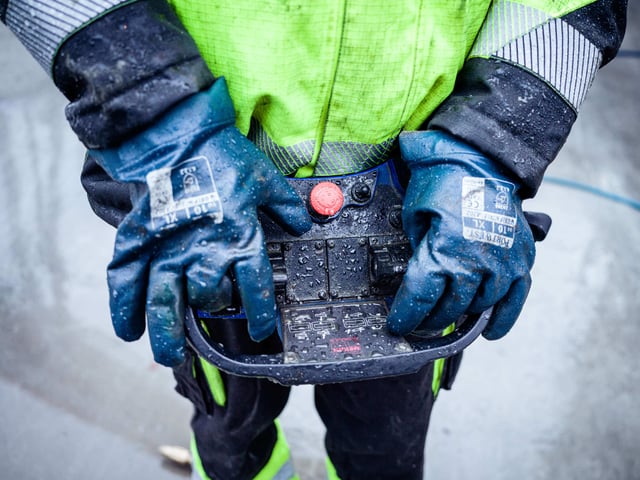
- Fragile remote controls or displays.
- Poor documentation or lack of multilingual support.
- No easy way to check logs, error codes, or usage stats.
Designing for the rental market
Based on what we’ve learned, here are some key design principles:
- Design for minimal training. Assume zero prior experience.
- Make key functions obvious and accessible. This applies to both mechanical and digital interfaces.
- Build in robustness. Equipment should tolerate mistakes.
- Enable remote support. Connectivity and diagnostics reduce downtime.
- Simplify interfaces. Avoid hidden menus or unclear symbols.
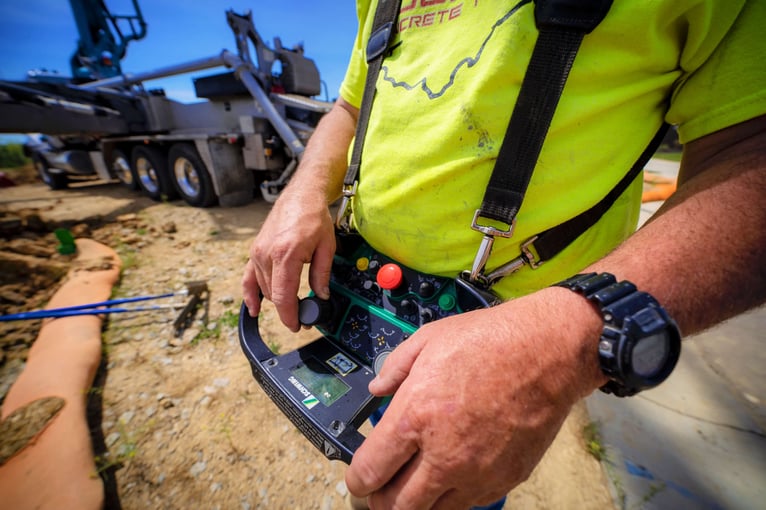
Remote controls matter
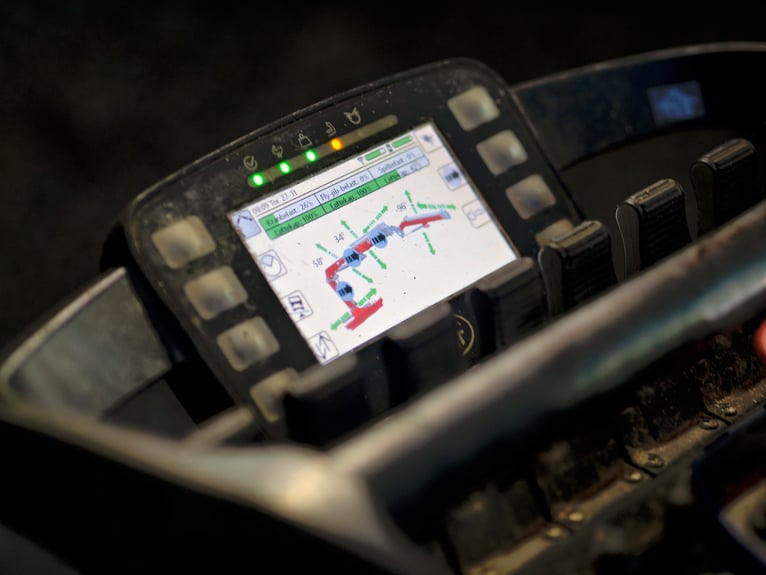
From our own experience designing radio remote controls, we know how often these details make or break usability:
- A well-designed remote should feel intuitive in the hand.
- Operator feedback is essential, for instance when the crane refuses to unfold, inform the operator that all supporting legs must be extended.
- Set-up guide on the remote helps the operator that does not read the manual.
When rental companies reject a machine, it’s rarely because the machine couldn’t do the job. It’s usually because someone couldn’t figure out how to make it work.
“When we look at a new machine, I never let the seller show it to me, I want to start and get it going without any assistance. If I manage, everybody will.”
Fredrik Jansson, CEO at Krankungen (“The king of cranes”).
Building for the rental market is about more than ticking technical boxes. It’s about designing for real-world use by people who are not experts and who won’t read the manual. When you succeed, you don’t just make the machine rental-ready – you make it better for everyone.